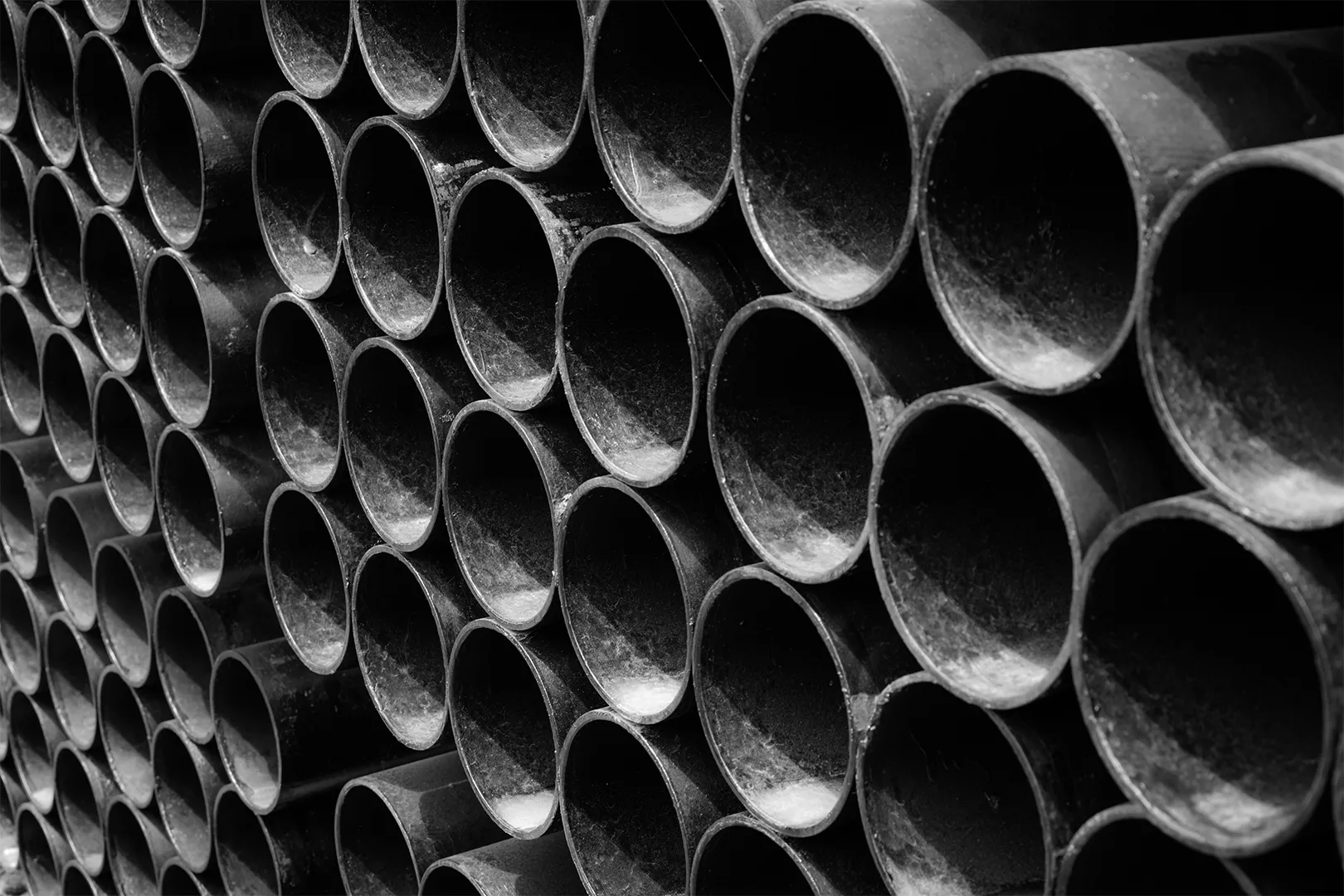
In fluid transmission industries, selecting the appropriate pipe type is crucial. Two common types are spiral welded pipes and longitudinal seam pipes, each with distinct characteristics, advantages, and limitations depending on project requirements.
Spiral welded pipes are manufactured from steel strips in a helical form. Due to the welding angle, they offer high resistance to internal and external pressures and are typically suitable for large diameters and medium-pressure applications.
Longitudinal seam pipes, on the other hand, are formed from steel plates with a single weld along the pipe length, making them a reliable choice for high-pressure pipelines, especially in oil and gas projects.
From a cost perspective, spiral pipes are generally more economical, while longitudinal seam pipes are preferred in technically sensitive projects. In water transmission projects, soil conditions, operating pressure, and pipe diameter determine the appropriate selection.
Through cooperation with reputable domestic manufacturers, ptskish supplies both pipe types in compliance with API 5L and ISO 3183 standards, meeting the needs of various industries.